
How Dashcam Improvement Helps Reveal What Drivers Actually Saw?
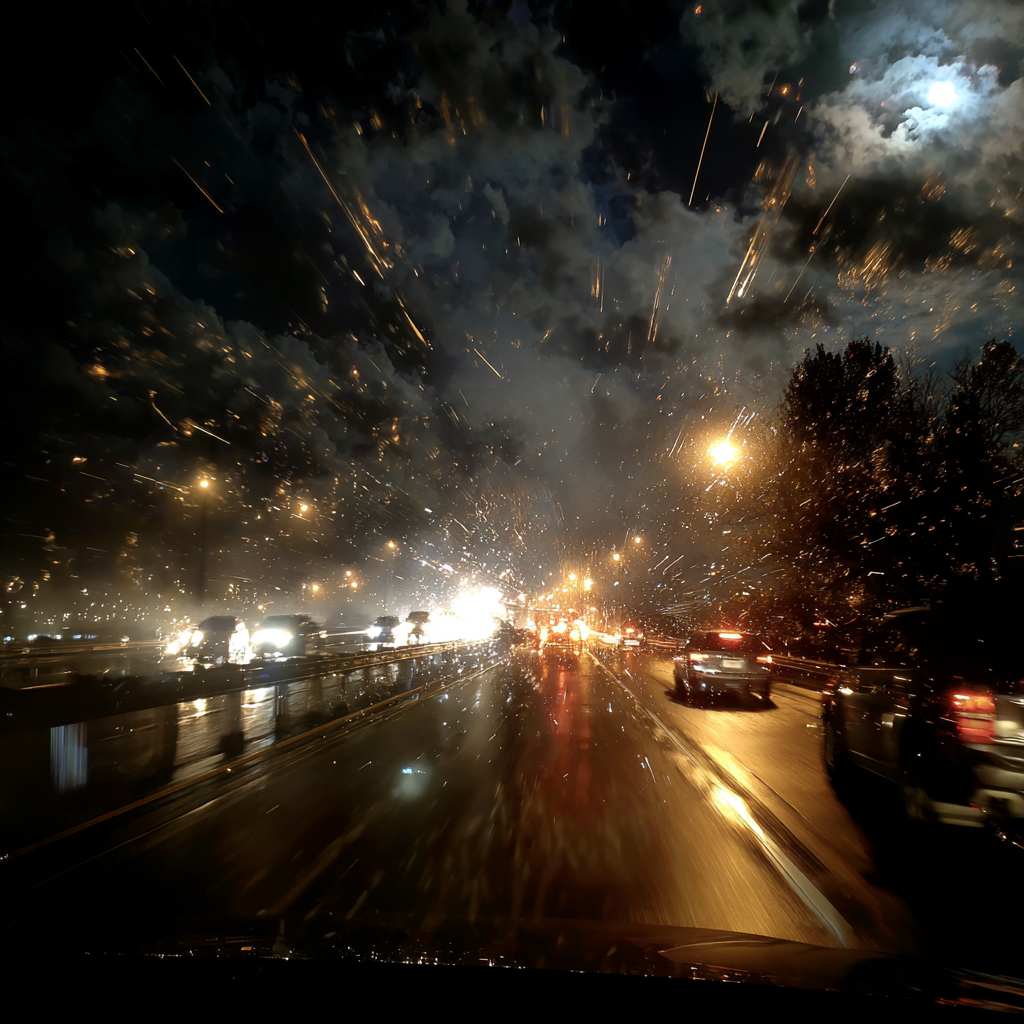
A blurry, contrasty dashcam clip can change the direction of an entire accident case. One side may claim the driver had enough time to stop. The other side may argue that a pedestrian suddenly appeared from nowhere. Raw footage rarely tells the full story. That is why dashcam improvement matters so much in legal accident analysis. It helps lawyers, insurance teams, and juries understand what drivers could actually see before impact.
A Dashcam Does Not See Like Human Eyes
People often trust video more than memory. Still, cameras miss things all the time. A driver may notice:
movement near a sidewalk
glare from sunlight
a dark shape crossing the road
headlights coming from an angle
The dashcam may not show those details clearly. That happens because cameras flatten distance, reduce depth, and struggle with lighting shifts. A video can look bright in one second and almost black in the next. Motion blur also removes small details during fast movement. So, the camera recording may not match real human vision. That gap becomes a huge problem in court.
One Small Hidden Detail Can Change Everything
Picture this. A driver turns left during sunset traffic. The dashcam shows an open road for a split second. Then a cyclist suddenly appears before impact. The footage makes it look like the driver ignored the cyclist. However, deeper analysis reveals something important. The vehicle’s A-pillar blocked the cyclist during the turn. Sun glare also reduced visibility for another second. Now the entire situation looks different. This is why forensic video analysis matters. Hidden details often change how lawyers, insurance companies, and juries understand a crash.
What Does Dashcam Improvement Actually Involve?
People sometimes think video improvement only means making footage sharper. That is only one part of the process. A forensic video analyst studies:
lighting conditions
visibility limits
blind spots
object movement
camera distortion
driver sightlines
weather conditions
road positioning
archival video footage
Putting all this together, an exhibit is made that helps to analyze the situation and explain what occurred. Slow motion analysis, text explanations and archival footage can all help juries get a truer understanding of the events. A forensic analyst may use tools that reveal critical areas so hidden details become easier to study. That process does not invent evidence. Instead, it helps clarify what already exists inside the recording.
But a dashcam is never shot from the exact perspective of the actual participants and therefore cannot show exactly what was available to be seen at the time of the accident. That is what a live action video reconstruction can do.
Accident Reconstructionists and Forensic Video Analysts Do Different Jobs
These roles often get mixed together, but they handle different parts of a case. Accident reconstructionists focus on:
crash measurements
impact calculations
braking distance
vehicle speed
collision mechanics
Forensic video analysts focus on:
visual recreation
camera analysis
driver perspective
scene visibility
courtroom video exhibits
The reconstruction expert explains the science behind the crash. The video analyst turns that information into visuals that juries can understand quickly. Without visual support, technical reports can feel confusing or disconnected.
Why Driver ’s-Eye Perspective Matters So Much?
A courtroom can hear hours of testimony and still struggle to picture an accident clearly. That changes once jurors see the event from the driver’s perspective. A driver ’s-eye reconstruction helps show:
blocked visibility
glare from headlights
hidden pedestrians
obstructed traffic signs
narrow reaction windows
People process visuals faster than spoken explanations. So, reconstruction videos often create a stronger understanding than diagrams or written reports alone. That is especially important during high-value injury or fatal accident cases.
Raw Footage Often Misses Visibility Problems
Dashcams work under hard conditions. Roads change fast. Lighting changes even faster. Several common issues reduce dashcam footage quality:
nighttime darkness
windshield reflections
rain distortion
headlight glare
low camera resolution
compression artifacts
fast-moving objects
Why 6K Reconstruction Videos Create Better Courtroom Clarity?
Modern forensic video work now uses high-resolution 6K production methods to recreate crash scenes with stronger detail. That level of quality helps show:
traffic signs
lane markings
shadow movement
road texture
vehicle positioning
environmental conditions
what driver or pedestrian could actually see at time of accident
Small details matter during legal disputes. A juror may finally understand why:
A pedestrian stayed hidden
A stop sign became difficult to notice
A driver reacted late
visibility changed within seconds
High-resolution visual reconstruction removes guesswork from the conversation.
Mediation Often Changes After Video Reconstruction
A strong reconstruction video can shift settlement discussions quickly. Insurance companies and opposing attorneys may initially believe raw footage tells the full story. Then a forensic reconstruction reveals:
hidden blind spots
blocked views
visibility limits
timing problems
environmental hazards
safe scenarios that participants could have done to help prevent accident
That visual experience changes how people view liability. Mediation becomes more productive because everyone sees the same recreated sequence instead of arguing over assumptions. In many situations, the opposing side does not believe you have a case until you show it to them with a convincing video exhibit. This can be a nine figure difference in settlement results. And a 15-50X ROI on the cost of an exhibit.
Why Visibility Analysis Has Become So Important?
Traffic accidents happen fast. Human memory changes under stress. Camera footage also has limits. That combination creates confusion during legal cases. Visibility analysis helps reduce that confusion by showing:
what was available to be seen at the time of the accident
what accident participants could not see
how lighting affected perception
How road design influenced reaction time
Sometimes one hidden detail changes the entire argument. A blocked sign. A dark crosswalk. A shadow near the curb. A vehicle hidden behind an A-pillar. Those details often decide how liability gets understood.
Final Remarks
Raw footage only captures part of the story. Dashcams miss depth, lighting shifts, blind spots, and visibility limits that drivers experience during real accidents. That is why dashcam improvement plays such a critical role in modern legal cases. And why sometimes video studies based on forensic reconstruction are an additional step to best serve your clientele.
As Good As It Can Be Digital creates courtroom-ready reconstruction videos that help legal teams present accident scenes with greater clarity. Using driver ’s-eye recreations, forensic video analysis, and detailed 6K visual reconstruction, the company helps attorneys show what drivers actually saw before impact. Our work often uncovers hidden factors that standard footage fails to reveal, helping juries and mediators understand accident events more clearly.